
Dhyan Chand
Discover the true story of Dhyan Chand, the boy who practised by moonlight and became the Wizard of Hockey.
Young Dhyan joined the army at sixteen and fell in love with hockey. He practised every day, even at night by the light of the moon, which is how he got the name Chand, meaning moon. On the field, the ball seemed to stick to his stick.
He helped India win Olympic gold in 1928, 1932 and 1936, the last time as captain. He always said the team won together, and later he coached young players. Today his birthday is National Sports Day in India.
The book ends with "What Dhyan Chand taught us": six lessons from his life, each beside the moment it comes from, for grown-ups and children to talk about together.
Atlas Of Greats is a series of true picture-book biographies of the world's greats, for ages 3 to 7. Each book follows one person from childhood, in short pages made for reading aloud.
Specs
- Format
- Digital PDF, 32 pages
- Size
- 8.5 × 8.5 in
- Ages
- 3 to 7
Facts for kids
- Dhyan Chand was born on 29 August 1905 in Allahabad, now called Prayagraj.
- His real name was Dhyan Singh. Friends called him 'Chand', which means moon, because he practised by moonlight.
- He won three Olympic gold medals: in Amsterdam in 1928, Los Angeles in 1932 and Berlin in 1936.
- At the 1932 Olympics, India beat the USA by 24 goals to 1.
- India's highest award for sportspeople is the Major Dhyan Chand Khel Ratna, named after him.
More Greats you might like
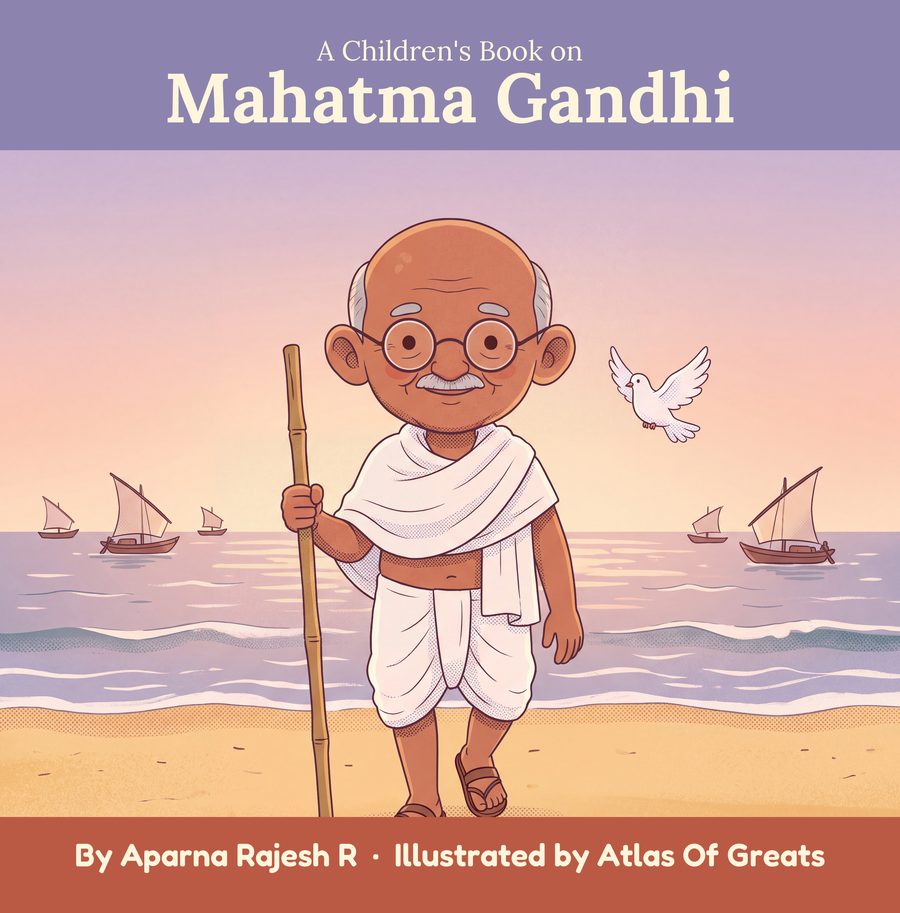
Mahatma Gandhi
In a seaside town in India, a shy little boy named Mohandas learned to be kind and to tell the truth.
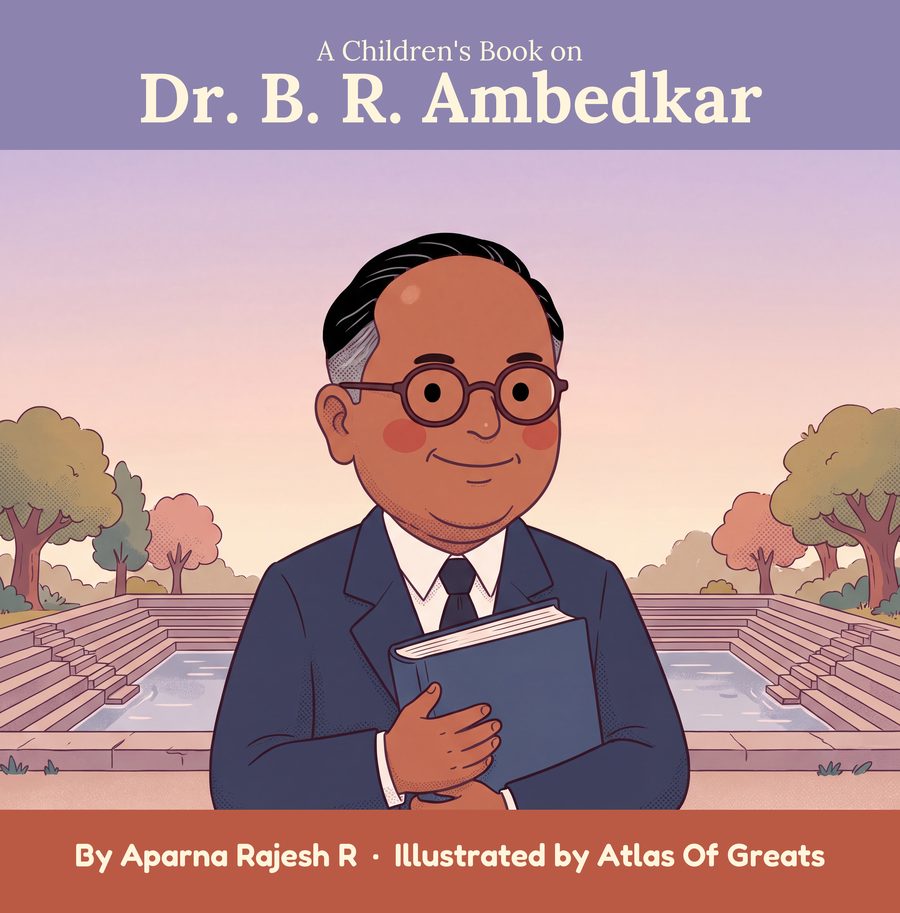
Dr. B. R. Ambedkar
At school, a boy named Bhim had to sit alone on a sack, and he had to wait for someone else to give him a drink of water.
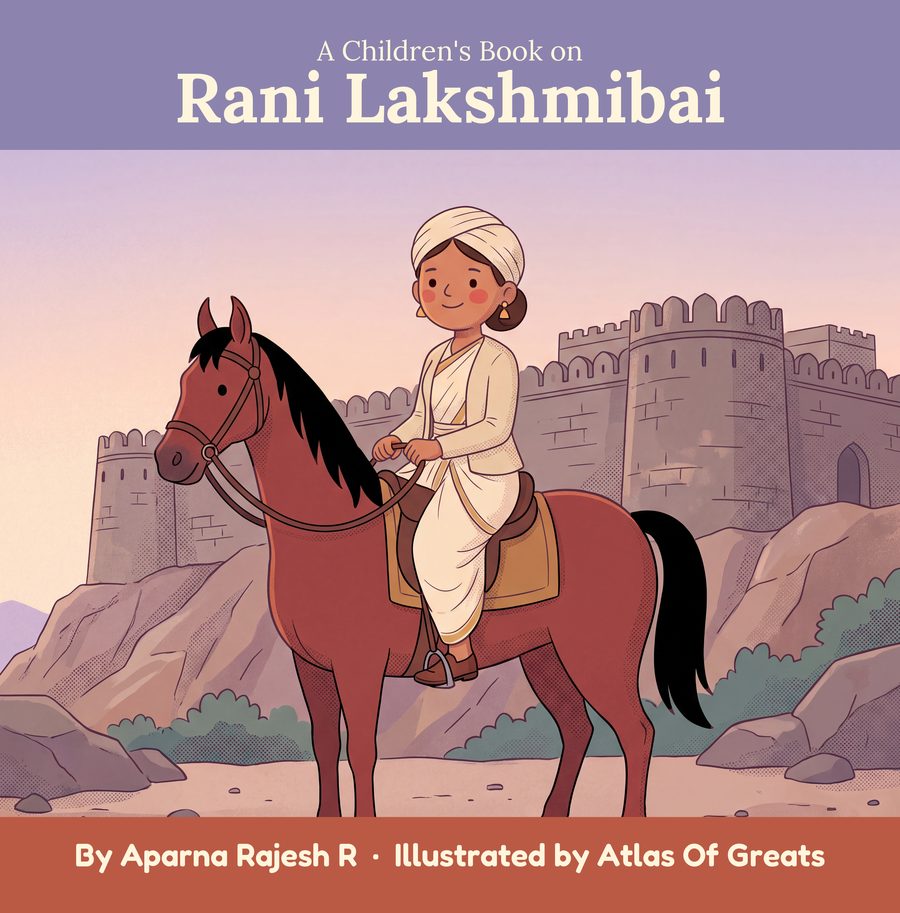
Rani Lakshmibai
A little girl named Manu grew up by the river Ganga, learning alongside the boys and riding fast horses.
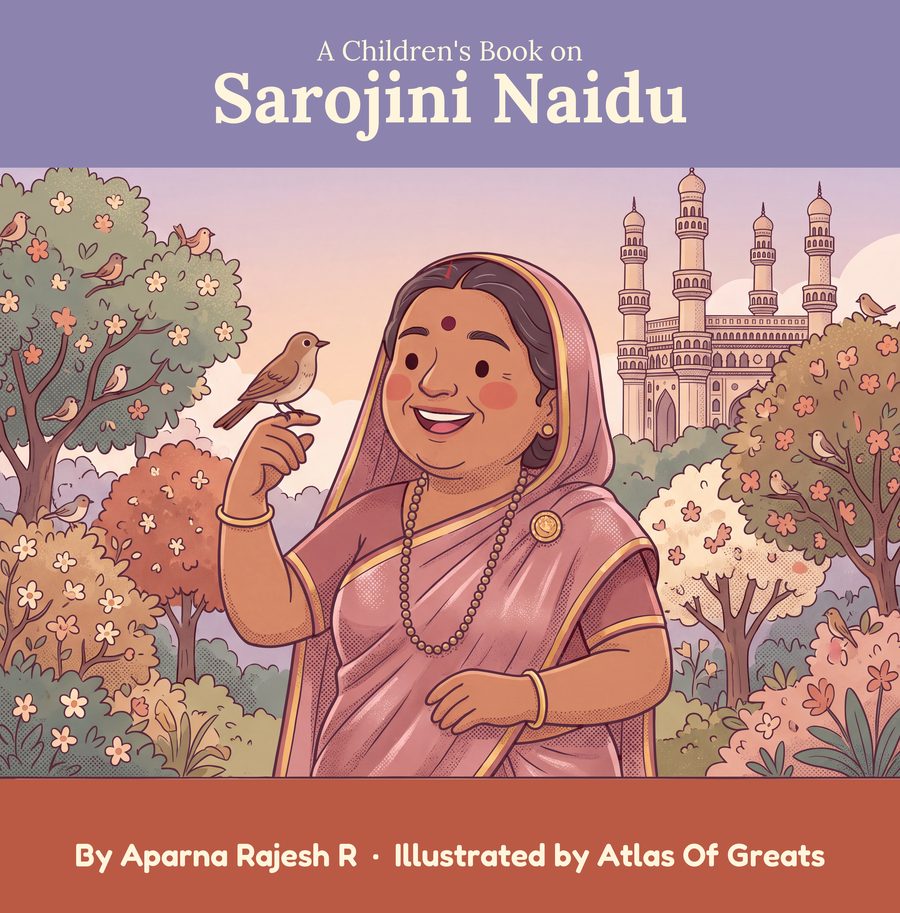
Sarojini Naidu
In the colourful city of Hyderabad, a little girl named Sarojini was stuck on a maths sum, and a whole poem came to her instead.
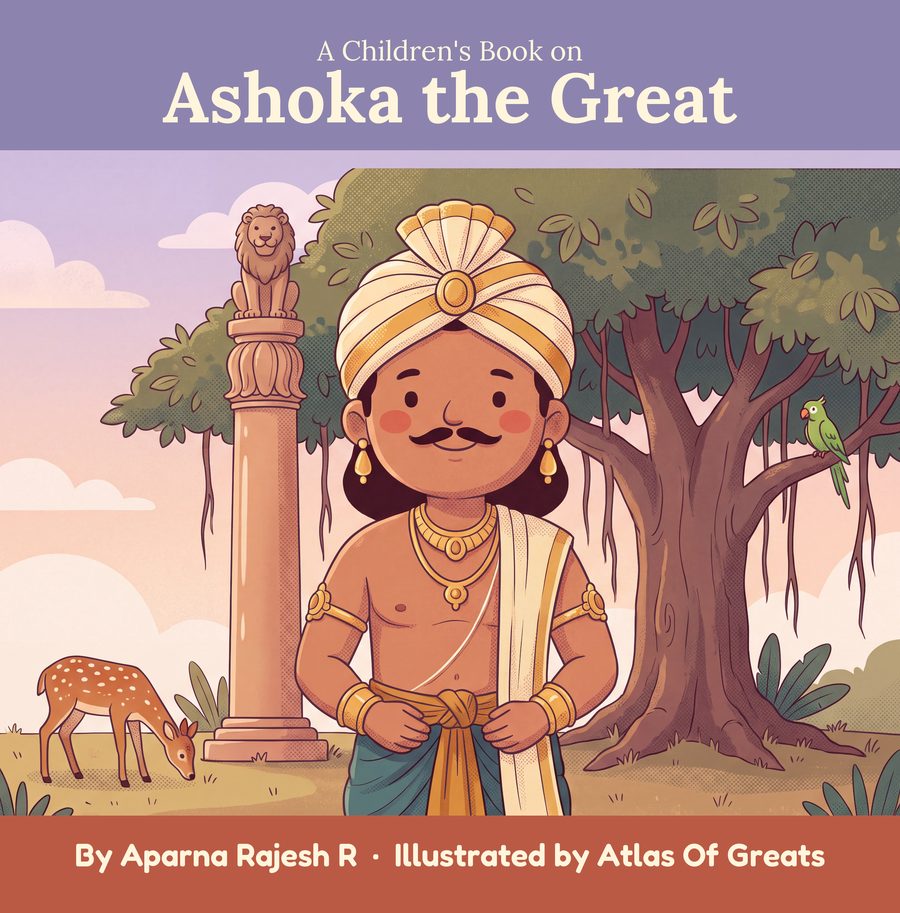
Ashoka the Great
Long ago in India, a mighty emperor named Ashoka won a great war, and then felt very, very sad.
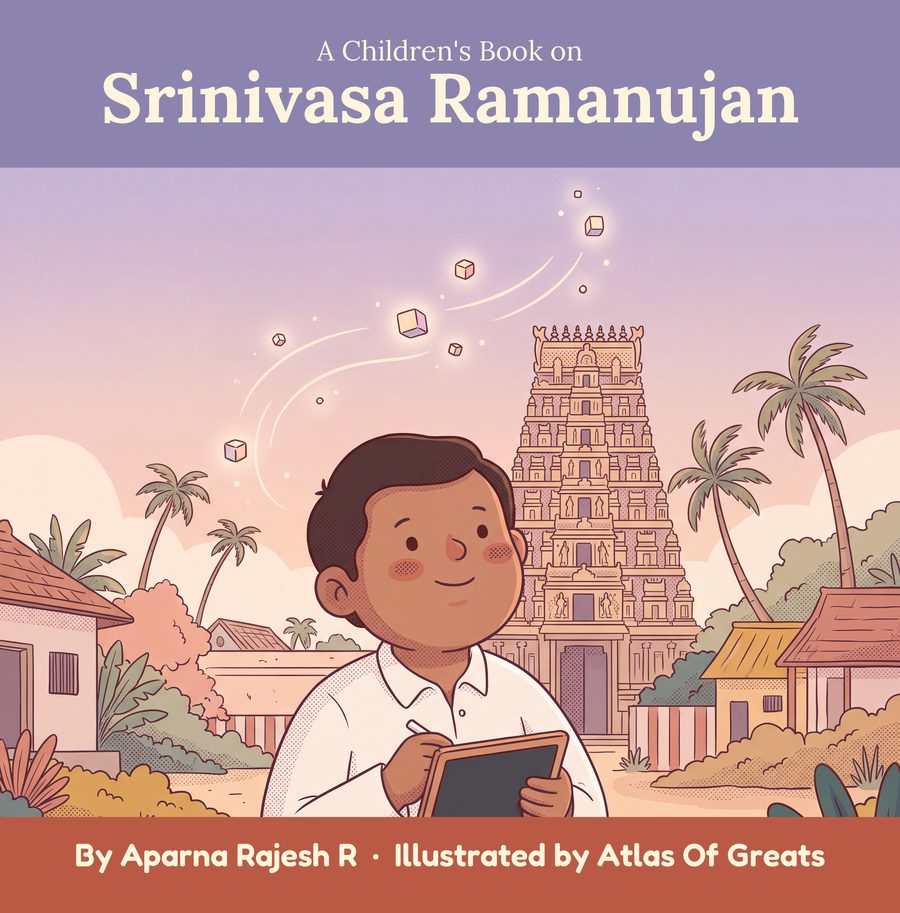
Srinivasa Ramanujan
In a town in South India, a boy named Ramanujan did his sums on a slate and saw magic in every number.